
August Sander at 150: a Cologne retrospective
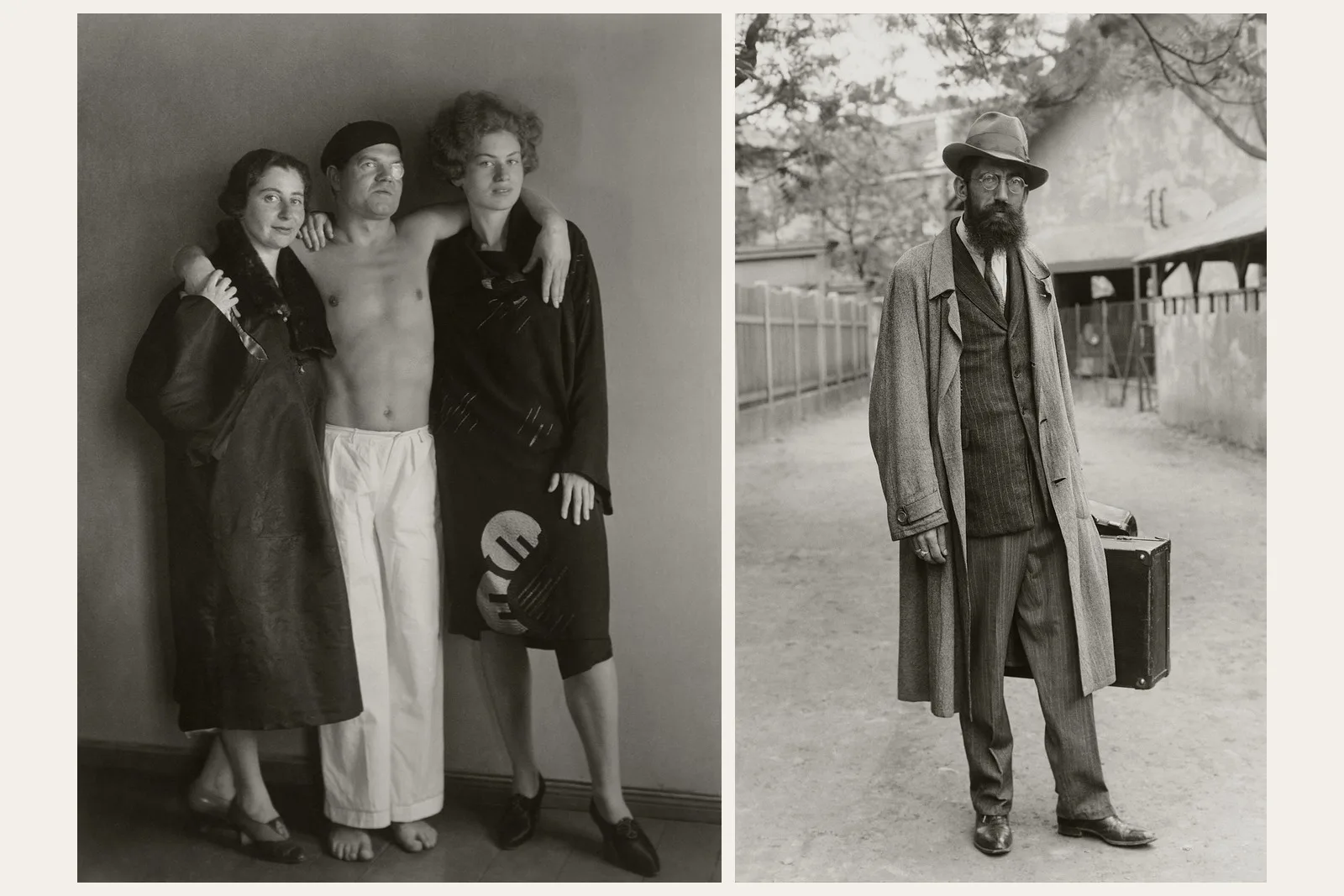
August Sander, born in 1876, would have turned 150 this year. Cologne, where he lived and worked for more than three decades, is marking the anniversary with a wide-ranging exhibition at Die Photographische Sammlung/Stiftung Kultur der Sparkasse KölnBonn. It opened on 11 September 2026 and runs until 24 January 2027, ProfiFoto reported.
The photographer
Sander (1876–1964) is known around the world for his large portrait project Menschen des 20. Jahrhunderts, his attempt to photograph the society of his time group by group. The Cologne show sets out to prove that this was only part of the story. It follows his path from working portrait photographer to one of the most important photographic chroniclers of his era, beginning with early pictures from his years in Linz and commissions from the Westerwald.
The Westerwald, where he came from, stayed with him all his life. He kept going back to photograph its people and landscapes, and later worked along the Rhine, in the Siebengebirge and in the Eifel. In 1942/43 the war drove him out of Cologne to Kuchhausen, back in the region of his birth. He lived there until his death in 1964.
Rarely seen material
Since 1992 the foundation has held the August Sander Archiv, the largest collection of his photographs and papers anywhere, and almost everything on show comes from it. Alongside well-known pictures there is work that seldom leaves the archive.
- Lichtbildwerkstatt August Sander, Köln-Lindenthal: a group of pictures made between 1930 and 1942/43 of the family's home and studio, shown in this depth for the first time.
- Studien, der Mensch and Mensch und Maschine: series on the body, labour and people's relationship with machines, in which the human hand returns again and again.
- Sardinia, 1927: Sander's only trip abroad, made with the writer Ludwig Mathar to gather material for a book that was never published. He brought back more than 300 negatives of an island that tourists had barely discovered.
- Cologne: historic architecture, the Rhineland carnival, and his contacts with the Kölner Progressiven. Sander photographed and reproduced work by Franz Wilhelm Seiwert and Heinrich Hoerle, and owned some of it himself.
The books
For collectors, the most interesting part of the anniversary is a new book from Schirmer/Mosel. Wesen und Werden der Photographie pairs the Lichtbildwerkstatt pictures with six radio talks Sander wrote in 1931 for the Westdeutsche Rundfunk AG (WERAG), which were broadcast at the time. In the gallery, visitors can hear the talks in a new recording, in which Sander sets out how he understood photography and its place in society.
The exhibition's broader view of Sander also makes a good reason to go back to Menschen des 20. Jahrhunderts, the project his reputation rests on, and to look at it next to the landscapes, studies and commissions that came before and after it.
Visiting
Die Photographische Sammlung is at Im Mediapark 7, Cologne. It is open from 2 pm to 7 pm every day except Wednesday. On the first Thursday of the month entry is free and the museum stays open until 9 pm. The exhibition is funded by the Kunststiftung NRW and forms part of the programme for the 50th anniversary of the Stiftung Kultur der Sparkasse KölnBonn.
Sources
- August Sander – Zum 150. Geburtstag, profifoto
Key works
- Menschen des 20. Jahrhunderts
- Wesen und Werden der Photographie
